Guide de conduite du col du Gothard : Tremola, itinéraires et arrêts au sommet
Découvrez la Tremola pavée du Gothard et la route moderne du col, avec des conseils pratiques sur le sens de circulation, l’accès saisonnier, l’adéquation pour les voitures et les arrêts intéressants au sommet du col.
The Gotthard gives you a choice that feels almost unfair. You can disappear into the mountain, cross it on a modern road, or climb a procession of cobbled hairpins that makes even a thoroughly sensible car feel like it has entered a period film.
That last option is the Tremola, the historic road on the southern side of the pass. It is the part that fills photo albums and persuades drivers to take the long way. Yet the complete Gotthard experience includes much more: the open summit, the hospice buildings, a former fortress and the striking transition between Uri and Ticino.
A good visit starts by understanding those different routes. This guide explains which one suits your car, how to plan the direction and timing, where to stop and how to combine the crossing with a larger Alpine journey. Bring curiosity as well as a full tank or a sensible battery reserve. There is a surprising amount to discover between the bends.
Three Gotthard routes, three different journeys
The Tremola: the historic southern approach
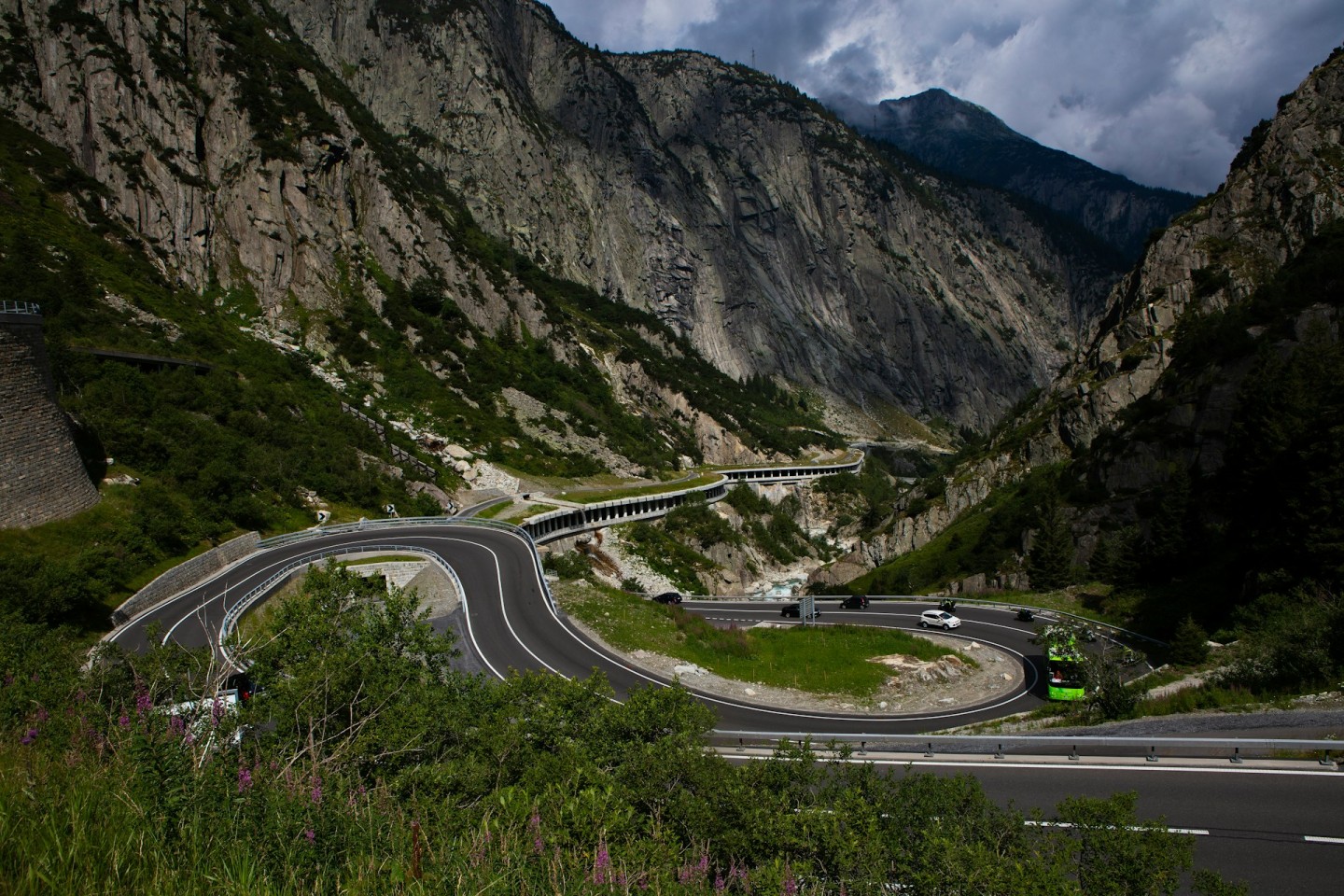
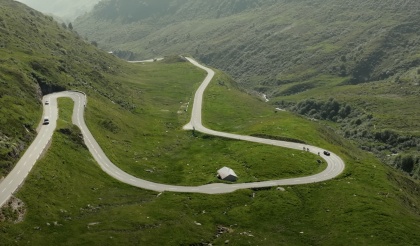
The Tremola climbs between Airolo and the summit on the Ticino side. Its famous sequence of stone-paved hairpins is a historic road, still used by ordinary traffic when open. It offers texture, tight turns and a very direct relationship with the landscape.
Choose it for the experience of the road itself. The slower pace gives you time to appreciate the stonework and the changing angle of the valley below. It also requires patience with other road users, a car suited to the surface and conditions that make the journey sensible.
The modern pass road: the smooth crossing
The modern road also takes you over the mountain, connecting the summit with the northern and southern approaches. It gives you Alpine views on a more conventional surface, with engineering that makes the crossing easier to live with.
This is a worthwhile route in its own right, particularly for passengers who prefer a smoother ride or cars whose suspension treats every cobble as a personal insult. You can visit the summit without committing to the Tremola, and use the two roads in different directions if both are open.
The A2 road tunnel: through the mountain
The Gotthard road tunnel connects Göschenen with Airolo beneath the mountain. It does not take you to the summit or along the Tremola. It serves the north–south transport corridor, with its own traffic conditions, maintenance arrangements and possible restrictions.
If your navigation app is optimising a journey between northern Switzerland and Ticino, it may choose the tunnel. Add the pass summit and your chosen approach as deliberate waypoints when you want the scenic drive, then inspect the route before leaving. A destination called simply “Gotthard” is not precise enough.
The essential geography
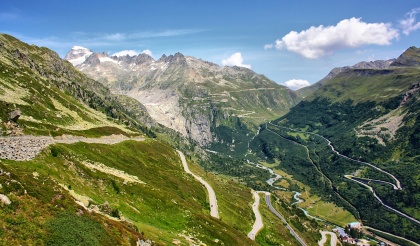
The pass reaches 2,106 metres according to the official Alpine-pass road information. The listed Hospental–Airolo crossing is approximately 24 kilometres; starting in Andermatt adds the approach through the Ursern Valley to Hospental. The Tremola is the historic southern section, not a second mountain pass.
From Andermatt, head towards Hospental and follow the pass route south. Coming from Ticino, Airolo is the natural base for the climb. Take care with navigation instructions near the different road connections: the tunnel, modern road and historic route are close enough on a map to be confused when planning quickly.
Allow a half day for a focused crossing with a summit visit. A museum, a substantial lunch or a return on the other road can turn it into most of the day. These are practical planning allowances, not promises about traffic or uninterrupted driving times.
Why the Tremola feels so different
Ticino Tourism describes the Tremola's most dramatic section as roughly four kilometres containing 24 hairpins and gaining about 300 metres. Those figures refer to the celebrated switchback section, rather than the entire journey from Airolo to the summit.
The carriage road across the Gotthard was built between 1827 and 1830. The Tremola's present appearance reflects later rebuilding, completed in 1951. It is therefore misleading to imagine every stone as an untouched survivor from the first road. The fascination lies in how generations kept adapting this difficult crossing.
Look at it from a permitted viewpoint and the engineering becomes clear. Each turn negotiates a little more height. Retaining walls support a line that seems to fold back over itself. What appears decorative in an aerial photograph becomes very practical when you are sitting in a car on the slope.
Inside the car, the surface supplies a different soundtrack from tarmac. Tyres, suspension and loose objects all have something to say. Put away the sunglasses rattling in the door pocket, choose a comfortable pace and enjoy the detail. A road with this much character rarely needs help from a dramatic exhaust setting.
The Tremola's appeal also explains why it is popular with cyclists and motorcyclists. For a driver, that means taking the whole road scene into account. The best journey has room for everyone's experience, including the cyclist earning every metre of the climb.
Should you climb or descend the Tremola?
For a first visit, our preference is to climb from Airolo. The hairpins reveal themselves progressively, and each turn changes your view of the stonework and the valley. Reaching the summit then feels like an arrival, with a natural place to stop before continuing towards Hospental.
The descent is rewarding too, but it deserves particular attention to speed, surface conditions and brake use. If you would rather experience the cobbles while climbing, make that decision while planning instead of accepting whichever direction your app produces.
Starting in Andermatt, you can cross the summit on the modern road, descend to Airolo, take a break and return uphill on the Tremola. That creates a focused Gotthard outing without adding another distant pass. Check both routes before committing, and allow enough time for the repeated crossing.
Alternatively, travel one way from Airolo to Andermatt via the Tremola and spend the night on the northern side. This suits a wider touring holiday, especially if Furka or Oberalp is planned for another day. The route should support the trip, rather than forcing the trip to fit a favourite photograph.
When the Gotthard and Tremola are open
The pass roads are seasonal. Their normal driving season falls between the spring snow clearance and the return of winter, but actual dates depend on weather and the individual road. Do not assume the Tremola shares every opening, closure or restriction of the modern pass road.
Consult the current Gotthard road report and any specific notices for the Tremola before departure. Check again on the day if the weather changes. The tunnel being open says nothing about conditions at the summit.
Summer brings useful daylight and the chance to linger, but also other visitors. An earlier start can make your timetable more flexible. It cannot guarantee an empty road or clear weather, so choose a departure that suits the forecast and your own alertness.
Autumn can bring beautiful light and a more subdued mountain landscape. It can also bring low temperatures, fog and early snow. In the shoulder seasons, keep an alternative itinerary and avoid making an unchangeable booking on the far side dependent on one mountain road.
The Gotthard sits between distinct weather regions. Check the forecast around Airolo, the summit and the northern approach, rather than relying on a valley temperature. If the mountain disappears into cloud, a shorter outing with a good lunch may be the better driving decision.
Which cars suit the Tremola?
The useful questions concern size, clearance, ride comfort and condition. A compact car with good visibility can be delightful here. A large, very low or heavily modified vehicle deserves a more careful assessment before you choose the historic route.
The official road report lists a 3.5-tonne maximum weight for the Tremola. Check the applicable restrictions and roadside signs for your vehicle. Motorhomes and other large vehicles should never be waved into the same advice as an ordinary passenger car simply because both have four wheels.
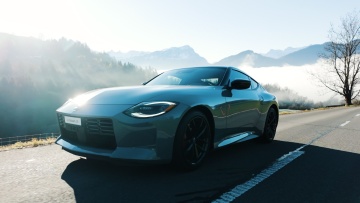
For a sports car, consider the front overhang and the way it handles uneven surfaces. Select a comfortable suspension mode where appropriate, keep inputs measured and assess parking entrances before turning in. There is little pleasure in admiring historic stonework while wondering how much of the front bumper has joined it.
A classic car can feel wonderfully at home in the setting, provided it is prepared. Check brakes, tyres, fluids and cooling before the trip. Allow reasonable stages and watch for unfamiliar symptoms; the scenery will still be there after a sensible stop.
For a hire car, review the rental conditions and learn its controls first. Do not assume a particular class of car comes with the clearance or equipment you expect. Choosing the modern pass road is a perfectly good way to enjoy the summit if the Tremola does not suit the vehicle or the people travelling in it.
What to do at the summit
Walk beyond the windscreen
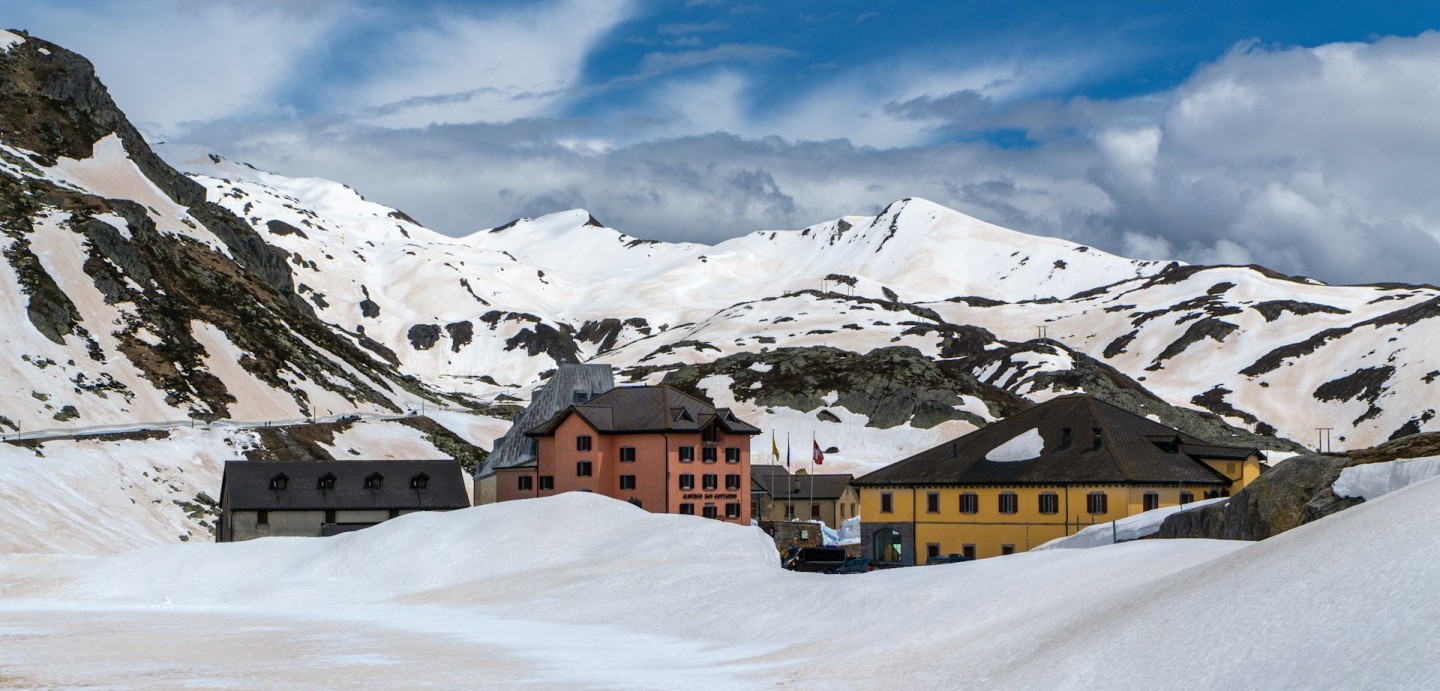
The summit is a landscape of rock, water, buildings and changing weather. Park in a permitted place and take time to look around before continuing. The difference between experiencing the pass and merely ticking it off often comes down to this pause.
Bring an extra layer and suitable shoes for any planned walk. Keep a short stroll separate from a mountain hike: a path disappearing invitingly between rocks is not automatically an easy extension to the car park. Check the intended route and conditions if you want to explore further.
The National St Gotthard Museum
The National St Gotthard Museum gives the road journey historical context. It is a useful choice when you want the story of the crossing to extend beyond the view from the driver's seat.
Its published regular opening season runs from June to the end of September, with visits in May and October by arrangement and subject to pass access. Confirm current hours before organising the day around a visit, particularly at the edges of the driving season.
Sasso San Gottardo
Sasso San Gottardo occupies a former fortress inside the mountain. It is a separate attraction from the National Museum, with its own visits and opening arrangements. Choose the experience that interests your group and leave enough time to enjoy it.
The contrast is compelling: outside, you have driven through an exposed mountain landscape; inside, the mountain becomes a deliberately constructed world. Check the official visitor information for tour duration, clothing and access needs before booking. A summit stop can easily become the main event of the afternoon.
A Gotthard day that does not feel rushed
Morning: Airolo and the ascent
Start with the practical work in Airolo: check the selected road, weather and your fuel or charge. Have breakfast before leaving, organise loose luggage and put the next destination into navigation while parked. Then climb the Tremola at a pace that lets you read both the road and the traffic.
Plan photographs around designated or clearly permitted stopping places. If a viewpoint is full, continue to another suitable opportunity. The satisfaction of a good drive is easily spoiled by an awkward stop that blocks everyone behind you.
Midday: give the summit time
At the top, combine a walk with lunch or one museum visit. Trying to fit every attraction into the same stop can make an enjoyable day feel like a timetable inspection. If you want to visit both museums, reduce the driving programme accordingly.
Before setting off again, look at the weather and decide whether the original plan still makes sense. A longer visit, tired passengers or gathering cloud are all reasonable reasons to shorten the afternoon. Build this decision point into the itinerary rather than treating it as a failure.
Afternoon: north to Hospental and Andermatt
Continue towards Hospental and Andermatt on the northern side. Make the final stage relaxed, with an arrival time that leaves room to explore your destination. An overnight stay allows the next day's route to be chosen with fresh information and a fresh driver.
If returning to Ticino instead, use the modern southern road for a different perspective where conditions allow. You will have experienced the same mountain through two very different approaches, which is more interesting than simply adding another summit to a list.
Furka, Nufenen and Oberalp: building the wider trip
A classic extended circuit runs from Andermatt west over Furka to the Goms, then through Ulrichen over Nufenen to Airolo, returning over Gotthard. The sequence makes geographical sense, but it is a substantial day of climbing, descending and concentrating. Check all three passes and the full route before departure.
Our Furka Pass driving guide helps you plan that western leg. Give yourself permission to split the circuit over two days, especially with a classic car, a leisurely lunch or summit attractions on the agenda.
Oberalp offers another direction from Andermatt, heading east towards Sedrun and Disentis. It combines a lake and railway landscape with a transition into Graubünden. Read the Oberalp Pass guide before adding it: it is an extension from the northern base, rather than a small loop around the Gotthard summit.
Use the complete trip to choose accommodation and energy stops. A hotel at the right point in the route is often worth more than another ambitious driving hour. The most enjoyable Alpine weekends usually have one clear focus per day.
Fuel, charging and the descent
Plan the whole route's energy needs before climbing. That includes a return or diversion, rather than just reaching the summit. If driving an EV, verify suitable chargers, access arrangements and current status near the route you actually intend to follow.
Mountain climbs increase energy demand, and a descent may recover some of it through regeneration. Recovery is not complete, and the amount of braking assistance can change with the battery's temperature and charge level. Know the car's behaviour and retain a sensible reserve.
On a long descent, manage speed early and use the appropriate gear or manufacturer-recommended driving setting to support the brakes. Keep the drive smooth enough that nobody is bracing for every bend. If something about braking or the car's behaviour feels wrong, stop safely and assess it before continuing.
Budget for fuel or charging, meals, parking, attraction admission and accommodation where relevant. Check the requirements for any motorway sections on your approach separately. A planned scenic crossing should not become an improvised shortcut merely because there is a queue elsewhere.
Share the road and enjoy its character
The Tremola is a public road and a valued piece of heritage. Keep within your lane, leave room for cyclists and wait for proper visibility before overtaking. Approach any meeting with a large vehicle calmly and follow signs and instructions rather than trying to force the situation.
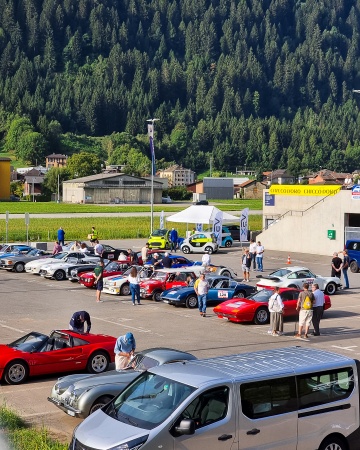
For several cars travelling together, share the route and agree on legal regrouping places. Let each driver choose a comfortable pace. Nobody should need to hurry through a village or close a gap on a blind bend to remain part of the day.
The Gotthard makes an excellent subject for photographs, but it also deserves time without a camera. Notice how the car feels on the stones, how the air changes at the summit and how the surroundings shift on the descent. Those are the details that turn a route into a memory.
Find a journey that suits your kind of driving
If you enjoy planning independently, begin with the Tremola, a summit visit and the modern road for contrast. You can create a rich day without committing to a huge multi-pass itinerary.
For an organised option, browse driving tours and road rallies on Petrolbase. Compare route descriptions, daily distances, vehicle eligibility, support and the approach to weather changes. Check whether a listed trip actually includes Gotthard or the Tremola before choosing it.
The great pleasure here is the choice. You can appreciate modern road engineering, spend time with mountain history and enjoy the intimate mechanical feel of the old cobbled route within one destination. Take the crossing at its own pace, and the Gotthard gives you far more than a way into Ticino.
Questions fréquemment posées
Tu as des questions?


-thumb.jpg)