Road TripsUnited Arab Emirates

Moreeb Dune Road Guide: UAE’s Ultimate Desert Drive

Drive to Moreeb Dune in Liwa, Abu Dhabi: route tips, best season, desert road safety, 4x4 advice, viewpoints and UAE road-trip guide.

SHARE POST

GET STARTED
Contact us

Moreeb Dune Road Guide: UAE’s Ultimate Desert Drive

Some roads take you through a landscape. The road to Moreeb Dune makes you feel like the landscape is swallowing the world behind you. Leave the city, point the car towards Liwa, and the UAE slowly transforms from skyline, highway, and polished glass into something older, quieter, and far more powerful: the edge of the Rub’ al Khali, the Empty Quarter. This is not a mountain pass with hairpins and alpine villages. It is a desert road built through silence, heat, sand, long horizons, and one of the most intimidating dunes in the region. For car enthusiasts, Moreeb Dune is not only a destination. It is a test of planning, patience, machine, and mindset. In this guide, you will learn when to go, how to prepare, what to expect on the paved road, why Liwa matters, where to stop, and why Moreeb Dune is becoming a major symbol of desert adventure, off-road culture, motorsport tourism, and future automotive experiences in the UAE.

Why Moreeb Dune Feels Different

Moreeb Dune is not a casual scenic stop. It feels different because the journey towards it slowly removes distractions. The further you drive into the Liwa region, the more the city disappears from your mental windscreen. Buildings fade. Traffic thins. The horizon widens. The desert becomes less like a background and more like the main character.

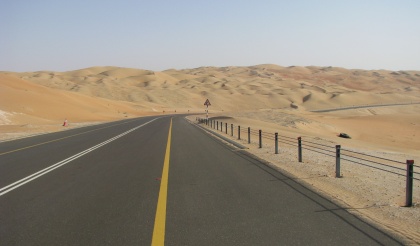
This is the emotional power of the road to Moreeb Dune. It is not about tight corners or technical driving in the traditional sense. It is about scale. It is about distance. It is about watching modern infrastructure cut a clean line through one of the most dramatic desert landscapes in the Arabian Peninsula. The road itself is paved, but the environment around it feels wild, ancient, and completely unforgiving.

Moreeb Dune, also known as Tal Moreeb, is famous for its enormous height, steep face, and motorsport culture. The name is often translated as something close to “terrifying mountain”, which is wonderfully dramatic and not entirely unfair. When you see the dune in person, it does not look like a normal hill of sand. It looks like a wall. A golden, shifting, gravity-defying wall that makes even serious 4x4s look small.

For drivers, this creates a rare type of experience. The paved road gives you access. The dune gives you drama. The surrounding Empty Quarter gives you perspective. Together, they create one of the UAE’s most memorable road-trip destinations.

The modern relevance of Moreeb Dune

Moreeb Dune is highly relevant now because automotive travel in the UAE is evolving beyond city supercar culture. The region already has luxury cars, desert SUVs, racetracks, high-end hotels, and strong motorsport energy. What is becoming more valuable is the curated driving experience: a journey that combines road-trip planning, landscape, adventure, heritage, content creation, and destination value.

Moreeb Dune fits that future perfectly. It supports desert road trips, 4x4 adventure tourism, off-road motorsport culture, premium SUV experiences, EV and hybrid range-planning discussions, overlanding routes, and content-led travel. It is not just a place to visit. It is a destination that can anchor an entire automotive experience.

The wider Liwa region also has strong cultural and tourism value. It is deeply connected to Emirati desert heritage, oasis life, date farming, camel culture, long-distance travel, and the relationship between people and one of the harshest environments on earth. That makes the road to Moreeb Dune more than a drive. It is a modern journey into the old logic of the desert.

Where Moreeb Dune Is Located

Moreeb Dune is located near Liwa Oasis in the Al Dhafra region of Abu Dhabi, close to the northern edge of the Rub’ al Khali, the Empty Quarter. This is one of the largest continuous sand deserts in the world, stretching across parts of the Arabian Peninsula and creating one of the most extreme landscapes a road-tripper can experience.

From Abu Dhabi city, the journey is long enough to feel like a proper expedition. From Dubai, it becomes an even bigger day out and is better treated as a serious road trip or overnight desert escape. The drive is not difficult in the normal sense, because the main access route is paved, but the distance, heat, isolation, and desert conditions mean it requires planning.

This is not the kind of destination where you just jump in the car with a half-empty tank, one bottle of water, and a vague idea of the route. The road may be smooth, but the desert does not care about your calendar, your phone battery, or your confidence. That contrast is part of the appeal. It feels accessible and serious at the same time.

The Liwa Oasis connection

Liwa Oasis is not just a waypoint. It is one of the most important parts of the experience. The oasis settlements, date farms, desert roads, forts, and scattered communities give the region a human story. Without Liwa, Moreeb Dune would simply be a spectacular sand giant. With Liwa, it becomes part of a wider cultural landscape.

For travellers, this matters. The best road trips are not only about reaching the final viewpoint. They are about understanding the route. Liwa gives context to the desert: how people lived with it, moved through it, farmed around it, and built identity around it.

The Empty Quarter effect

The Rub’ al Khali changes the way you feel about distance. In cities, distance is measured in traffic lights, exits, and minutes. In the Empty Quarter, distance becomes psychological. The road runs through a world of sand forms, heat haze, deep silence, and huge skies. It makes modern cars feel both powerful and fragile.

That is why the Moreeb Dune road is so memorable. Even before you reach the dune, the journey has already done something to you. It slows the mind down. It makes you watch the fuel gauge. It makes you respect shade. It makes you understand why desert travel has always been about preparation, not bravado.

The Driving Experience: What to Expect on the Road

The road to Moreeb Dune is paved, which makes it accessible to normal cars in good conditions. But accessible does not mean ordinary. The scenery is the event. Long desert sections, rolling dunes, empty horizons, and the feeling of heading deeper into the sand create a completely different type of driving pleasure from mountain roads.

This is a road where speed is not the point. The experience is about rhythm, observation, and controlled movement through a remote environment. You are not chasing apexes. You are crossing space. You are watching the desert change colour with the sun. You are feeling the distance build behind you. It is grand touring in its purest desert form.

The paved sections can be smooth and enjoyable, but drivers should stay alert. Sand can blow across the road. Visibility can change. Animals may appear. Heat can punish tyres and cooling systems. Mobile coverage may not always be something you want to rely on blindly. The road is not frightening when approached properly, but it should never be underestimated.

For sports cars

A sports car can drive the paved route to Moreeb Dune, but this is not necessarily the natural habitat for a low, stiff, track-focused machine. The road itself may be paved, but the desert environment brings heat, dust, long distances, and limited margin for silliness. A grand tourer or comfortable performance car usually makes more sense than a very low supercar.

If you take a sports car, prepare it properly. Check tyre condition, coolant, oil, and range. Avoid driving aggressively in extreme heat. Keep an eye on temperatures. Be careful where you stop, especially near sandy shoulders. A low car stuck because one wheel dropped into soft sand is not a heroic desert story. It is an avoidable mistake.

For 4x4s and SUVs

Moreeb Dune is deeply connected to 4x4 culture. This is where proper desert vehicles feel at home. A capable SUV or 4x4 gives you more confidence, more ground clearance, more comfort, and more flexibility. Even if you stay on the paved road, the vehicle feels aligned with the environment.

That said, do not confuse owning a 4x4 with knowing how to drive off-road. Desert driving is a skill. Sand requires tyre pressure management, momentum control, recovery equipment, route knowledge, and ideally experienced companions. If you are not trained, stay on paved roads or join a guided experience. The desert is not a playground for guesswork.

For overlanding and adventure builds

The Liwa region is increasingly attractive for overlanding-style travel. Roof tents, recovery gear, long-range tanks, fridge setups, off-road tyres, and convoy travel all make sense in this environment. Moreeb Dune can be part of a larger adventure route, especially for travellers who want a more serious UAE desert experience.

But overlanding is not about buying accessories. It is about systems. Water, fuel, communications, navigation, shade, recovery, first aid, and group discipline matter more than how aggressive your car looks on Instagram. The best adventure build is the one that gets everyone home calmly.

For EV and hybrid drivers

The road to Moreeb Dune raises interesting questions for the future of electric mobility in the desert. EVs are becoming more capable, charging infrastructure is growing, and electric SUVs are entering the market with serious range and performance. But desert road trips demand careful planning.

Heat affects efficiency. Air conditioning uses energy. Long distances matter. Charging options are not as dense as in city environments. Sand, remote roads, and detours can increase uncertainty. A hybrid or plug-in hybrid may currently feel more flexible for some travellers, while long-range EVs can work well if the route is planned properly.

This makes Moreeb Dune a fascinating future-mobility case study. It is not only about whether EVs can do it. It is about how tourism, infrastructure, charging, route planning, and driver education evolve together. Desert EV travel will become more normal, but it will reward the prepared.

Best Time to Drive to Moreeb Dune

The best time to drive to Moreeb Dune is during the cooler months, generally from November to March. This is when the desert becomes more comfortable for road trips, photography, camping, festivals, and outdoor experiences. Temperatures are more manageable, the light is often beautiful, and the whole journey feels less physically demanding.

Summer is not recommended for casual travellers. The desert heat can be extreme, and even a well-maintained car can be placed under additional stress. Tyres, cooling systems, air conditioning, batteries, and people all work harder. If you must travel in hotter months, go with serious preparation, start very early, carry more water than you think you need, and avoid unnecessary risks.

Morning drives

Morning is one of the best times to drive. Temperatures are lower, the light is cleaner, and the road feels calmer. A morning departure also gives you more margin if plans change. In remote areas, time is a safety tool. Starting early means you are not forced to solve problems in darkness or peak heat.

For photography, morning light creates soft desert tones and long shadows across the dunes. It makes the landscape look sculpted rather than flat. This is especially valuable near Liwa and Moreeb, where the shapes of the dunes are the main visual story.

Sunset drives

Sunset at Moreeb Dune can be spectacular. The dune changes colour, the sky opens up, and the desert becomes cinematic in a way that is almost unfair to your camera. But sunset also requires more discipline. Do not arrive too late without a plan. Do not underestimate the drive back. Do not wander into soft sand without experience. Darkness changes the desert quickly.

The ideal sunset plan is simple: arrive early, park safely, enjoy the view, and know exactly where you are staying or how you are returning. If you are not familiar with the area, consider staying overnight nearby or travelling with a guide.

Festival season

The Liwa International Festival and Moreeb Dune motorsport events turn the area into a very different experience. During festival periods, the region becomes more active, with motorsport competitions, cultural events, entertainment, camping, and large numbers of visitors.

This can be the best time to experience Moreeb Dune as a living motorsport destination rather than a silent desert landmark. But it also means more traffic, more planning, accommodation demand, and a need to check event schedules. If you want atmosphere, go during festival season. If you want silence, go outside it.

Key Stops and Viewpoints

The drive to Moreeb Dune is not only about the final destination. The route offers several layers of experience: oasis life, desert roads, dune scenery, cultural stops, and the final arrival at Tal Moreeb itself. Plan the journey with time to stop. Rushing through Liwa misses the point.

Liwa Oasis

Liwa Oasis is the natural gateway to Moreeb Dune. It gives the road trip structure and context. This is where you can experience date farms, local settlements, desert hospitality, and the contrast between cultivated life and endless sand.

For travellers, Liwa is also practical. It is where you should think about fuel, supplies, food, rest, and route confirmation. The deeper you go towards the dune, the more important it becomes to have already solved the basics.

Desert road viewpoints

Some of the best moments on the way to Moreeb Dune happen before you arrive. The road cuts through areas where dunes rise close to the tarmac, creating powerful desert views. Stop only where it is safe, stable, and legal. Avoid soft shoulders, blind sections, and places where other vehicles cannot see you clearly.

For photography, wide shots work beautifully here. A car on a ribbon of asphalt with huge dunes in the background tells the story better than a close-up badge photo ever could. The desert gives you scale. Use it.

Moreeb Dune

Arriving at Moreeb Dune is the moment the journey becomes physical. The dune is huge, steep, and visually intimidating. It is famous for hill-climb events and off-road motorsport, but even standing at the base gives you a sense of why it has such a reputation.

Do not attempt to drive on the dune unless you have the right vehicle, permission where required, proper equipment, and real desert-driving experience. Watching experienced drivers climb sand is one thing. Trying to copy them without knowledge is another. The dune is called Moreeb for a reason.

Vehicle Preparation Before the Drive

The road to Moreeb Dune rewards preparation. This is not because the paved route is technically difficult, but because the environment is remote, hot, and unforgiving. A small problem can become a big inconvenience if you are careless.

Fuel: Start with a full tank, especially if travelling from Abu Dhabi, Dubai, or planning detours around Liwa.

Water: Carry more drinking water than you expect to need. Desert travel without enough water is not adventurous. It is irresponsible.

Tyres: Check tyre pressure, tread, age, and condition. Heat and long distances punish weak tyres quickly.

Cooling system: Make sure the car’s cooling system is healthy, especially in older vehicles, performance cars, and 4x4s carrying load.

Battery: Heat is hard on batteries. Make sure your car battery is in good condition before heading into remote areas.

Navigation: Download offline maps and save key locations. Do not rely completely on mobile signal.

Recovery plan: If you plan to leave paved roads, travel with experienced drivers, proper recovery gear, compressor, shovel, tyre deflator, tow points, and communication tools.

Lighting: If there is any chance you will return after dark, ensure all lights are working properly.

Mindset: The desert rewards calm people. Do not improvise aggressively. Do not show off. Do not assume you can solve everything with horsepower.

How to Drive the Moreeb Dune Road Properly

The paved road to Moreeb Dune should be driven with smoothness and awareness. Long straight sections can make speed feel deceptively normal. The desert can flatten your sense of movement because there are fewer visual references than in urban or mountain environments. That means you may be travelling faster than you think.

Keep a sensible pace, stay alert for sand on the road, watch for animals, and avoid sudden inputs. If the wind is blowing sand across the surface, reduce speed and increase following distance. Dust and sand can reduce visibility and grip quickly.

Respect the desert environment

Do not treat the desert like an empty stage for careless behaviour. It is an ecosystem, a cultural landscape, and a place where rescue is not always immediate. Stay on designated roads unless you know exactly what you are doing. Do not litter. Do not damage vegetation. Do not disturb animals. Do not drive into areas where access is restricted or unsafe.

Modern automotive culture has to become more responsible, especially in fragile landscapes. Moreeb Dune can be enjoyed without leaving scars behind. That should be the standard.

Convoy discipline

If you travel in a group, keep the convoy organised. Set a lead car and a sweep car. Agree on stops before leaving. Do not race between points. Keep enough distance to avoid dust problems, but stay close enough that nobody gets lost. Make sure everyone knows the plan.

A desert convoy is only as strong as its least prepared driver. If someone has a problem, the whole group has a problem. That is not a negative thing. It is part of the discipline that makes desert travel rewarding.

Do not chase content at the wrong moment

Moreeb Dune is unbelievably photogenic. The road, the sand, the scale, the low light, the 4x4s, and the silence all create perfect content opportunities. But the desert is not a private film set. Do not stop dangerously. Do not drive off-road for a shot unless it is safe and allowed. Do not put people at risk for a reel.

The best content comes from planning. Choose safe pull-offs, shoot in good light, keep vehicles stable, and respect the location. A calm, well-composed desert photo is far more powerful than chaos with tyre smoke and bad decisions.

Why Moreeb Dune Matters for the Future of Automotive Tourism

Moreeb Dune has the potential to become one of the most important automotive tourism destinations in the Gulf region. It already has the ingredients: an iconic natural landmark, paved access, strong off-road culture, motorsport heritage, festival infrastructure, desert hospitality, and proximity to major UAE cities.

The future of automotive tourism will not only be about owning cars. It will be about experiences. People will book guided drives, desert convoys, SUV adventures, EV range challenges, photography trips, overlanding weekends, rally-style tours, and premium automotive escapes. Moreeb Dune can support all of that.

This matters socially and economically because destinations like Liwa can benefit from more diversified tourism. Visitors do not only come for a photo. They stay, eat, book guides, join events, attend festivals, visit cultural sites, and support local hospitality. When done properly, automotive tourism can bring value without reducing the desert to a playground.

Off-road motorsport and festival culture

Moreeb Dune is strongly linked to off-road motorsport, especially hill climbs and desert competitions. This gives the destination a clear identity. It is not just a dune. It is a stage for machines, skill, noise, bravery, and spectacle.

Festival culture adds another layer. During major events, the area becomes alive with families, competitors, spectators, food, entertainment, camping, and automotive energy. This creates a rare combination of heritage, motorsport, and tourism that few destinations can match.

Premium SUV and 4x4 experiences

The rise of luxury SUVs creates a major opportunity for destinations like Moreeb Dune. Many owners have vehicles capable of adventure, but they lack the experience, confidence, or route knowledge to use them properly. Curated trips can solve that.

Imagine guided premium SUV drives from Abu Dhabi to Liwa, desert safety briefings, photography stops, local food, sunset at Moreeb Dune, and optional soft off-road training. That is not just a drive. That is a product. And it fits perfectly with the UAE’s appetite for premium experiences.

EVs, hybrids and future desert mobility

The desert will become an important test environment for future mobility. EVs, hybrids, hydrogen concepts, solar-assisted infrastructure, portable charging, and smart route planning could all become part of the next chapter. Moreeb Dune is a perfect place to discuss that future because it is beautiful, remote, and demanding.

Future desert road trips may include charging hubs, destination chargers at resorts, guided EV convoys, battery-performance education, and sustainability-focused travel packages. The challenge is not only technical. It is experiential. The future has to feel exciting, not clinical.

Recommended Moreeb Dune Itinerary

For the best experience, treat Moreeb Dune as a full-day trip from Abu Dhabi or an overnight escape if coming from Dubai. Start early, especially in warmer months. Leave with a full tank or full charge, plenty of water, offline maps, and a clear return plan.

Drive towards Liwa and use the oasis area as your practical reset point. Fuel up if needed, buy supplies, and take time to understand the landscape. Continue towards Moreeb Dune on the paved road, stopping safely at viewpoints along the way.

Arrive at Moreeb Dune before sunset if you want the best light. Park safely, explore on foot where appropriate, and enjoy the scale of the dune without taking unnecessary risks. If you are not experienced in desert driving, stay off the sand with your vehicle or join a guided activity.

For a stronger experience, stay overnight in the Liwa region. This allows you to enjoy sunset and sunrise without rushing the long return drive. It also gives you time to visit local forts, date farms, desert resorts, or festival areas if events are running.

Final Verdict: Is the Road to Moreeb Dune Worth Driving?

Yes. The road to Moreeb Dune is absolutely worth driving, but not because it behaves like a classic European driving road. It is worth driving because it offers something completely different: scale, silence, desert drama, cultural depth, and the feeling of reaching one of the UAE’s most powerful landscapes by car.

It is a road for people who understand that automotive experiences are not always about speed. Sometimes they are about distance. Sometimes they are about preparation. Sometimes they are about arriving at the edge of a dune so large it makes your car, your plans, and your ego feel very small.

Moreeb Dune is one of the UAE’s great driving destinations because it combines paved-road accessibility with serious desert atmosphere. It can be a road trip, a 4x4 adventure, a motorsport pilgrimage, a photography mission, a festival visit, or a future EV challenge. Few places can carry that many stories.

Go in the right season. Prepare properly. Respect the desert. Do not underestimate the heat. Do not confuse paved access with total safety. Give yourself enough time. And when Moreeb Dune finally rises ahead of you, slow down and take it in properly.

Moreeb Dune is not just the UAE’s tallest sand giant. It is the road-trip destination that proves the desert can be every bit as powerful as the mountains.

Related Articles
Explore all